highmark wellness card vendor list pdf

Highmark Wellness Card Vendor List: A Comprehensive Guide (Updated February 16, 2026)

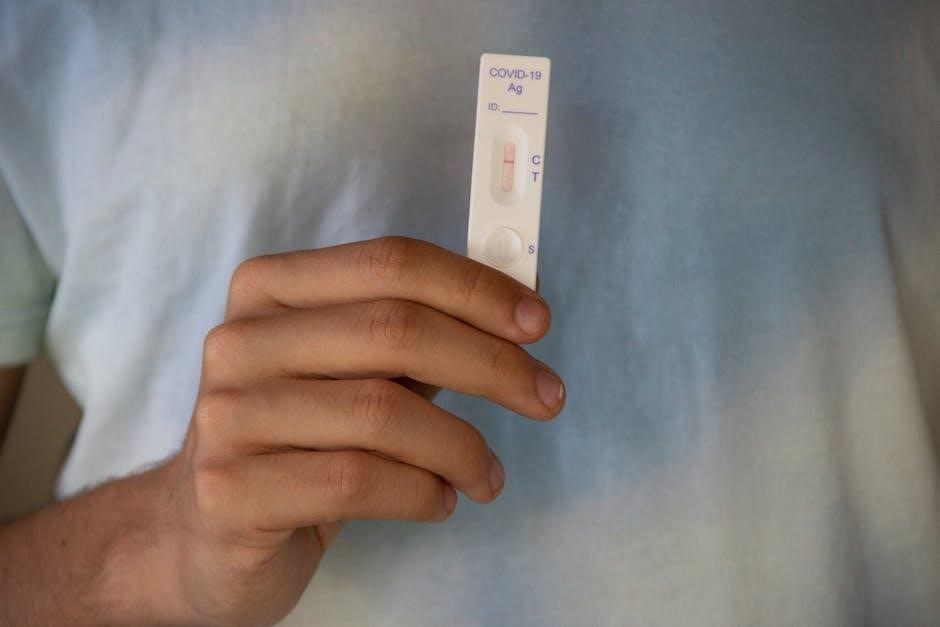
Navigating the Highmark Wellness Card ecosystem requires access to current vendor information; resources like BCBSWNY.com/WellnessCard and BSNENY.com/WellnessCard
provide lists of participating vendors, updated as of today, February 16, 2026.

Understanding the Highmark Wellness Card

The Highmark Wellness Card represents a proactive approach to member well-being, offering a financial incentive for prioritizing health and preventative care. This card isn’t simply a payment method; it’s a tool designed to encourage engagement with wellness activities and resources. Understanding its core function is crucial for maximizing its benefits. The card’s value is tied to participation in rewardable activities, varying per member and personalized through a Wellness Plan delivered three times annually.

It’s important to remember that any remaining balance on the card does not roll over to the following year, emphasizing the need for timely utilization. The program aims to foster meaningful interactions between members and their health plans, requiring two such interactions for full engagement. Highmark Blue Shield and its affiliates administer this program, offering support via the number on the back of your member ID card or 866-459-4418 for non-members. The card is exclusive to Highmark Western NY and other affiliated plans.

What is the Highmark Wellness Card?

The Highmark Wellness Card functions as a debit card pre-loaded with funds specifically allocated for eligible health and wellness purchases. It’s a key component of Highmark’s commitment to preventative care, empowering members to invest in their well-being. Unlike a traditional insurance benefit, the card provides direct access to funds for qualifying expenses at a diverse range of participating vendors.

These vendors span categories like fitness retailers, specialty bicycle shops, and those within the Health and Wellness Network, including Health ExtrasSM. Members can utilize the card both online and in-store, offering flexibility in how they access wellness resources. The card’s funding is directly linked to completed rewardable activities outlined in a personalized Wellness Plan. It’s crucial to note potential changes in vendor eligibility, as seen with past instances like Eat Rite, and to regularly consult updated vendor lists.

Eligibility Requirements for the Wellness Card

Eligibility for the Highmark Wellness Card is generally tied to participation within a Highmark health plan, specifically Medicare Advantage plans, and active engagement in wellness initiatives. Members typically receive a Personalized Wellness Plan three times annually, detailing activities that qualify for rewards and, subsequently, funding on the card.

To be considered “engaged,” members must complete at least two meaningful interactions related to their health and well-being. The amount loaded onto the card is directly proportional to the number and type of rewardable activities successfully completed. Population coverage extends to all members under the Highmark health plan umbrella. It’s important to remember that any unused balance on the Wellness Card does not roll over to the following year, encouraging timely utilization of funds at approved vendors.

Accessing the Vendor List

Locating the most current Highmark Wellness Card vendor list is easily achieved through official Highmark websites, offering convenient access to participating vendors.

Official Highmark Websites for Vendor Information

Highmark provides dedicated online resources for members seeking a comprehensive list of vendors accepting the Wellness Card. These platforms are regularly updated, ensuring the most accurate and current information is readily available.

BCBSWNY.com/WellnessCard serves as a primary hub, specifically for members in the Western New York region. Here, you can explore a searchable database of participating locations, categorized for easy navigation. The site often includes user-submitted confirmations of successful card usage, offering valuable real-world insights.

Similarly, BSNENY.com/WellnessCard caters to members in the Blue Shield of Northeastern New York network. This website mirrors the functionality of its Western NY counterpart, providing a detailed vendor list and allowing members to share their experiences. Both websites are accessible 24/7, offering convenient access to vital card information.

Remember to check these sites frequently, as vendor participation can change.

BCBSWNY.com/WellnessCard: A Primary Resource

BCBSWNY.com/WellnessCard stands as the cornerstone for Highmark Wellness Card holders in Western New York seeking an up-to-date vendor list. This dedicated webpage offers a dynamic resource, allowing members to verify vendor participation before making purchases. It’s more than just a static list; it’s a community-driven platform.

Members can often find reports of successful card usage directly on the site, shared by fellow cardholders. This crowdsourced information provides valuable insights into which locations are currently accepting the card, including details about online transactions. The website’s search functionality allows for quick filtering by vendor type or location.

Regularly checking BCBSWNY.com/WellnessCard is crucial, as vendor eligibility can change. The site also provides contact information for Highmark support, should you encounter any issues or have questions regarding card usage or vendor acceptance.

BSNENY.com/WellnessCard: Another Key Website

BSNENY.com/WellnessCard serves as a vital secondary resource for Highmark Wellness Card members residing in the Blue Shield of Northeastern New York service area. Similar to its Western NY counterpart, this website provides access to information regarding participating vendors and accepted purchase categories.

The site functions as a valuable tool for verifying vendor eligibility, particularly for those seeking to utilize their card benefits across a broader geographical region. User-submitted reports detailing successful transactions contribute to a constantly evolving understanding of card acceptance.

BSNENY.com/WellnessCard is essential for staying informed about changes in vendor participation. It’s recommended to consult this website alongside BCBSWNY.com/WellnessCard to ensure the most comprehensive and accurate list of available options. Direct links to Highmark customer service are also readily available.

Categories of Participating Vendors

Highmark Wellness Card benefits extend to diverse vendors, including fitness retailers, specialty bicycle shops, and those within the Health and Wellness Network, offering broad coverage.

Fitness and Wellness Retailers

Highmark Wellness Card holders gain access to a variety of fitness and wellness retailers, promoting a healthy lifestyle through accessible resources. While a definitive, static PDF list isn’t readily available, members frequently report successful usage at numerous establishments. These retailers typically offer products supporting physical activity, healthy eating, and overall well-being.

Common purchases eligible for coverage include fitness equipment like weights and resistance bands, athletic apparel, and nutritional supplements. It’s important to note that eligibility can vary, and some retailers may only accept the card for specific items. Recent reports suggest potential changes regarding Eat Rite, with possible discontinuation of eligibility, so verification is crucial before making a purchase.

Members are encouraged to check the official Highmark websites (BCBSWNY.com/WellnessCard and BSNENY.com/WellnessCard) for the most up-to-date information and to confirm vendor participation before attempting to use their card. The dynamic nature of the program necessitates frequent checks for accuracy.

Specialty Bicycle Shops

Highmark Wellness Card benefits extend to promoting active transportation and outdoor fitness, notably through coverage at specialty bicycle shops nationwide. This allows members to utilize their card towards the purchase of bicycles, cycling accessories, and related safety equipment, encouraging a heart-healthy lifestyle.

Eligible purchases commonly include bicycles themselves, helmets, locks, cycling apparel, and repair services. However, it’s vital to remember that specific item eligibility can fluctuate, and not all bicycle shops may participate. A comprehensive, downloadable PDF list of participating shops isn’t consistently available, emphasizing the need for proactive verification.

Members should consult the official Highmark resources – BCBSWNY.com/WellnessCard and BSNENY.com/WellnessCard – to confirm a shop’s participation before making a purchase. Given the program’s dynamic nature, checking for updates is highly recommended to avoid potential issues at the point of sale and ensure a smooth experience.

Health and Wellness Network Vendors

Highmark partners with a broad “Health and Wellness Network” offering diverse services accessible via the Wellness Card. This network encompasses a range of providers focused on preventative care and holistic well-being, extending beyond traditional medical services.

Participating vendors often include fitness centers, wellness programs, and providers of health-related products. The “Health ExtrasSM” program is a key component, featuring a listing of approved vendors. However, obtaining a consolidated, downloadable PDF list proving entirely up-to-date can be challenging.

Members are encouraged to explore BCBSWNY.com/WellnessCard and BSNENY.com/WellnessCard for the most current information. It’s crucial to verify a vendor’s participation before utilizing the card, as eligibility can change. Regularly checking these online resources ensures members maximize their Wellness Card benefits and avoid unexpected denials.

Specific Vendor Examples (Based on Recent Reports)

Recent reports indicate Eat Rite’s eligibility is potentially discontinued, while Health ExtrasSM maintains a participating vendor list; online checks are vital for accuracy.

Eat Rite (Potential Discontinuation of Eligibility)

Recent member feedback, specifically dating back to May 18, 2024, suggests a growing trend of declined transactions at Eat Rite when utilizing the Highmark Wellness Card. While previously accepted, numerous reports indicate a possible shift in their participation status within the Highmark network. This information, though not officially confirmed by Highmark directly, is widespread enough to warrant caution.

Members attempting to use their Wellness Card at Eat Rite are advised to verify acceptance before completing their purchase. Direct online usage has been reported as successful for some, with varying card balances (up to $500.00), suggesting potential inconsistencies. It’s crucial to remember that vendor participation can change frequently.

Highmark encourages members to consult the official vendor lists on BCBSWNY.com/WellnessCard or BSNENY.com/WellnessCard for the most up-to-date information. If a transaction is declined, contacting Highmark directly is recommended to confirm Eat Rite’s current eligibility and explore alternative wellness benefit options.

Health ExtrasSM Participating Vendors

Health ExtrasSM represents a network of vendors offering a diverse range of health and wellness products and services accepted with the Highmark Wellness Card. This program expands the card’s usability beyond traditional fitness retailers, providing members with more options to allocate their wellness benefits. Accessing a comprehensive listing of these vendors is vital for maximizing card value.

While a complete, downloadable PDF list isn’t readily available, Highmark directs members to explore participating vendors through the official BCBSWNY.com/WellnessCard and BSNENY.com/WellnessCard websites. These platforms are regularly updated to reflect changes in network participation. The Health and Wellness Network includes a broad spectrum of offerings.

Members are encouraged to verify vendor acceptance before making purchases, as participation is subject to change. Regularly checking the Highmark website ensures access to the most current information regarding Health ExtrasSM vendors and their accepted products or services.

Important Card Usage Details

Understanding card balance, expiration dates, and usage guidelines is crucial; balances do not roll over annually, and the card functions both online and in physical stores.

Card Balance and Expiration

Maintaining awareness of your Highmark Wellness Card balance is essential for maximizing its benefits. Members can readily check their available funds through various channels, including the official Highmark websites – BCBSWNY.com/WellnessCard and BSNENY.com/WellnessCard – offering convenient online access to account information. It’s important to remember a key detail: your Wellness Card balance does not carry over to the subsequent year.

Therefore, diligent utilization of the funds within the current plan year is highly recommended. Regarding expiration, the card itself may have an expiration date printed on it, but the funds are tied to the plan year. The amount available is determined by completed rewardable activities, as outlined in your Personalized Wellness Plan. Regularly reviewing your plan and utilizing the card for eligible purchases ensures you receive the full value of your Highmark benefit.

Using the Card Online and In-Store

The Highmark Wellness Card offers flexibility in how you utilize your benefits, allowing purchases both online and at participating physical retail locations. Many members have successfully used their cards directly online with eligible vendors, expanding access beyond brick-and-mortar stores. Remember to verify vendor participation before making any online purchases, referencing the official Highmark resources at BCBSWNY.com/WellnessCard or BSNENY.com/WellnessCard for the most up-to-date list.

In-store usage is straightforward; simply present your Wellness Card at checkout like any other debit card. Specialty bicycle shops are specifically highlighted as locations where the card can be used nationwide. Keep in mind that eligibility at specific retailers, like Eat Rite, may change, so confirming current acceptance is always advisable. For any issues, contacting Highmark directly via the number on your member ID card is recommended.

Contacting Highmark for Assistance

For immediate assistance regarding your Highmark Wellness Card, or to clarify vendor eligibility, Highmark provides multiple avenues for support. The most direct method is to call the dedicated customer service number printed on the back of your member ID card. This ensures you’re connected to a representative familiar with your specific plan details.

If you are not currently a Highmark member but have questions about the Wellness Card program, a general inquiry line is available at 866-459-4418. Remember that vendor lists are dynamic and subject to change; contacting Highmark directly will provide the most current information. Highmark Blue Shield and its affiliates issue all official guidance, so rely on their representatives for accurate details regarding card usage and participating vendors. Delaware residents should note the specific entity, Highmark BCBSD Inc. d/b/a Highmark.

Posted in PDF

tous les domaines de la guerre navale pdf

Naval warfare encompasses diverse operational environments – surface‚ subsurface‚ air‚ mine‚ and amphibious – alongside emerging domains like cyber and electronic warfare․

Historical Context of Naval Warfare

From ancient galleys to modern fleets‚ naval warfare’s evolution mirrors technological and strategic shifts․ Early conflicts centered on ramming and boarding‚ exemplified by the Battle of Salamis (480 BC)․ The development of naval artillery in the Age of Sail dramatically altered tactics‚ leading to line-of-battle formations and decisive engagements like Trafalgar (1805)․

The 20th century witnessed the rise of submarines‚ aircraft carriers‚ and naval aviation‚ fundamentally changing the maritime balance of power․ World War II showcased carrier-centric operations‚ exemplified by Pearl Harbor and Midway․ Post-war‚ nuclear weapons introduced a new dimension‚ with ballistic missile submarines becoming crucial for deterrence․ Today‚ naval warfare continues to adapt‚ integrating cyber warfare and unmanned systems‚ reflecting a complex and evolving domain․

The Evolution of Naval Technology

Naval technology has undergone a relentless transformation‚ driving changes in warfare․ From sail to steam‚ and then to gas turbines and nuclear power‚ propulsion systems have increased speed and endurance․ The introduction of ironclads and then steel hulls revolutionized ship construction‚ enhancing protection․

Advancements in sensors‚ including radar and sonar‚ expanded situational awareness․ Guided missiles replaced traditional gunnery‚ increasing range and accuracy․ Modern naval vessels integrate sophisticated combat management systems and network-centric warfare capabilities․ Emerging technologies like directed energy weapons‚ unmanned vehicles‚ and artificial intelligence promise further disruption‚ shaping the future of naval power and demanding continuous adaptation․

Surface Warfare

Surface warfare centers on engagements between warships on the ocean’s surface‚ utilizing guns‚ missiles‚ and advanced sensors for dominance and control․

Battleships and Cruisers: Roles and Capabilities

Historically‚ battleships represented the pinnacle of naval power‚ heavily armored and armed with massive guns‚ designed for direct fleet engagements and projecting national prestige․ However‚ their vulnerability to air power diminished their role post-World War II․ Cruisers‚ more versatile than battleships‚ fulfilled diverse functions – scouting‚ anti-aircraft warfare‚ and supporting amphibious operations․

Modern cruisers‚ like the Ticonderoga class‚ emphasize air defense with advanced radar systems (Aegis) and long-range missiles․ They provide fleet air defense and strike capabilities․ Battleships are largely retired‚ though some remain as museum ships or for limited fire support roles․ Both classes historically possessed significant command and control capabilities‚ acting as flagships for naval task forces‚ coordinating operations and disseminating vital information across the fleet․

Destroyers and Frigates: Modern Surface Combatants

Destroyers and frigates form the backbone of modern surface fleets‚ offering a balance of firepower‚ speed‚ and adaptability․ Destroyers‚ generally larger and more heavily armed‚ excel in multi-mission roles – anti-air warfare‚ anti-submarine warfare‚ and anti-surface warfare․ They often integrate advanced radar and sonar systems‚ alongside missile launchers and rapid-firing guns․

Frigates‚ typically smaller and more specialized‚ focus on specific tasks like escort duties‚ anti-submarine warfare‚ or maritime interdiction․ Both classes are crucial for protecting high-value assets like aircraft carriers and amphibious assault ships․ Modern designs emphasize stealth technology and networked warfare capabilities‚ enhancing survivability and operational effectiveness in contested environments․ They are vital for maintaining sea control and projecting power globally․

Corvettes and Patrol Boats: Coastal Defense

Corvettes and patrol boats are essential for safeguarding littoral waters and exclusive economic zones․ Corvettes‚ though smaller than frigates‚ provide a capable platform for patrol‚ anti-submarine warfare‚ and limited anti-surface engagements․ They are often deployed for constabulary duties‚ maritime law enforcement‚ and fisheries protection․

Patrol boats‚ the smallest surface combatants‚ prioritize speed and maneuverability for close-shore operations․ They excel in counter-smuggling‚ anti-piracy‚ and border security roles․ Modern designs incorporate advanced sensors and weaponry‚ enhancing their effectiveness․ These vessels are cost-effective solutions for maintaining a persistent presence and responding to localized threats‚ bolstering overall maritime security within coastal regions․

Submarine Warfare

Submarine operations involve stealth‚ reconnaissance‚ and delivering firepower‚ utilizing attack and ballistic missile submarines for strategic and tactical advantages at sea․

Attack Submarines: Stealth and Offensive Power

Attack submarines (SSNs) represent a cornerstone of modern naval power‚ designed for a multitude of missions prioritizing stealth and offensive capabilities․ These highly versatile vessels excel in anti-submarine warfare (ASW)‚ anti-surface warfare (ASuW)‚ intelligence gathering‚ and special operations support․ Their quiet operation‚ achieved through advanced hull designs and noise reduction technologies‚ allows them to operate undetected in contested waters․

Equipped with sophisticated sonar systems and a diverse arsenal of torpedoes and cruise missiles‚ attack submarines pose a significant threat to enemy surface ships and submarines․ Modern SSNs often feature vertical launch systems (VLS) for increased firepower and flexibility․ They are crucial for maintaining sea control‚ protecting vital sea lanes‚ and projecting power globally․ Their ability to remain submerged for extended periods grants them a strategic advantage in various operational scenarios․

Ballistic Missile Submarines: Nuclear Deterrence

Ballistic Missile Submarines (SSBNs)‚ often referred to as “boomers‚” are vital components of a nation’s nuclear triad‚ providing a secure and survivable second-strike capability․ These submarines carry Submarine-Launched Ballistic Missiles (SLBMs) equipped with nuclear warheads‚ ensuring a retaliatory response even after a devastating first strike․ Their stealth and ability to remain submerged for months at a time make them incredibly difficult to detect and target․

SSBNs operate with a high degree of secrecy and are constantly on patrol‚ maintaining a continuous at-sea deterrent․ The presence of SSBNs significantly influences strategic stability‚ discouraging potential adversaries from initiating a nuclear attack․ Modern SSBNs incorporate advanced technologies for improved stealth‚ communication‚ and missile accuracy‚ solidifying their role as a cornerstone of global nuclear deterrence․

Submarine Detection and Countermeasures

Detecting submarines is a complex undertaking‚ relying heavily on sonar – both active and passive – alongside magnetic anomaly detection and non-acoustic methods․ Active sonar transmits sound pulses‚ analyzing reflections‚ while passive sonar listens for emitted noise․ However‚ submarines employ numerous countermeasures to evade detection‚ including noise reduction technologies‚ hull coatings‚ and deceptive tactics․

Advanced torpedoes and anti-submarine warfare (ASW) aircraft are crucial for engaging detected submarines․ Modern ASW systems integrate data from multiple sensors‚ creating a comprehensive underwater picture․ Countermeasures also include deploying decoys‚ utilizing electronic warfare to disrupt sonar‚ and employing sophisticated evasion maneuvers․ The ongoing “cat and mouse” game between submarine detection and countermeasures drives continuous innovation in naval technology․

Air Warfare at Sea

Naval air power projects force from the sea‚ utilizing carrier-based aircraft for strike‚ reconnaissance‚ and air defense‚ dominating maritime airspace effectively․

Aircraft Carriers: Mobile Airbases

Aircraft carriers represent the pinnacle of naval power projection‚ functioning as mobile airbases capable of deploying and recovering aircraft across vast oceanic distances․ These floating behemoths allow nations to establish air superiority‚ conduct offensive strikes‚ and provide crucial support to ground forces without relying on land-based airfields․

Modern carriers operate sophisticated aircraft‚ including fighter jets‚ attack aircraft‚ electronic warfare platforms‚ and helicopters‚ offering a versatile and adaptable response to diverse threats․ Their ability to rapidly reposition provides strategic flexibility‚ enabling swift responses to crises and maintaining a persistent presence in key regions․

Carrier operations demand complex logistical support‚ including extensive maintenance facilities‚ ammunition handling systems‚ and a highly trained crew․ They are often the centerpiece of carrier strike groups‚ protected by accompanying surface combatants and submarines‚ forming a formidable naval task force․

Naval Aviation: Fighter‚ Attack‚ and Support Aircraft

Naval aviation encompasses a diverse array of aircraft crucial for modern maritime warfare․ Fighter aircraft‚ like the F/A-18 Super Hornet‚ establish air superiority and intercept enemy threats‚ safeguarding the fleet․ Attack aircraft deliver precision strikes against land and sea targets‚ projecting offensive power ashore․

Beyond combat roles‚ naval aviation includes vital support aircraft․ Electronic warfare platforms disrupt enemy communications and radar systems‚ while maritime patrol aircraft conduct reconnaissance and anti-submarine warfare․ Helicopters provide versatile capabilities‚ including anti-surface warfare‚ search and rescue‚ and troop transport․

These aircraft operate from aircraft carriers and‚ increasingly‚ from land-based airfields‚ extending naval reach and responsiveness․ Continuous advancements in technology enhance their capabilities‚ ensuring naval aviation remains a dominant force in modern conflict․

Anti-Air Warfare Systems: Protecting the Fleet

Protecting naval forces from aerial threats is paramount‚ achieved through layered anti-air warfare (AAW) systems․ These systems integrate radar detection‚ missile defense‚ and close-in weapon systems to counter diverse threats – aircraft‚ cruise missiles‚ and anti-ship ballistic missiles․

Modern warships employ sophisticated radar systems‚ like the SPY-1‚ to track incoming targets at extended ranges․ Long-range missiles‚ such as the Standard Missile-6‚ intercept threats far from the fleet‚ while medium-range systems provide additional defense layers․

Close-in weapon systems (CIWS)‚ like the Phalanx‚ offer a last line of defense against maneuvering threats․ Electronic warfare capabilities further disrupt enemy targeting‚ enhancing fleet survivability․ Integrated AAW systems are vital for maintaining naval dominance․

Mine Warfare

Mine warfare involves utilizing explosive devices to disrupt enemy shipping and harbor operations‚ demanding specialized detection and neutralization techniques for safety․

Naval Mines: Types and Deployment

Naval mines represent a significant threat‚ categorized by their method of detonation and target․ Contact mines explode upon physical impact with a vessel‚ while influence mines are triggered by magnetic‚ acoustic‚ or pressure signatures․ Moored mines are anchored to the seabed‚ while bottom mines rest directly on it‚ offering stealthy ambush capabilities․

Deployment strategies vary widely‚ ranging from single-mine ambushes to extensive minefields designed to channel or deny enemy access to vital waterways․ Airborne delivery systems‚ submarines‚ and surface vessels are all utilized for mine laying․ Modern mines often incorporate sophisticated sensors and self-repair mechanisms‚ increasing their survivability and effectiveness․ Their relatively low cost and high potential impact make them a persistent danger in naval conflicts‚ requiring substantial countermeasure efforts․

Mine Countermeasures: Detection and Neutralization

Mine countermeasures (MCM) are complex and hazardous operations focused on identifying and rendering mines harmless․ Detection relies on a combination of technologies‚ including sonar‚ magnetic anomaly detectors (MAD)‚ and remotely operated vehicles (ROVs) equipped with cameras․ Airborne laser scanning and mine-hunting helicopters also play crucial roles in surveying large areas․

Neutralization techniques vary‚ encompassing mechanical sweeping (physically dragging a device to detonate mines)‚ explosive demolition (using controlled explosions to destroy mines)‚ and mine identification and disposal (carefully disarming or removing mines)․ Modern MCM increasingly emphasizes unmanned systems to reduce risk to personnel․ Effective MCM requires meticulous planning‚ skilled operators‚ and constant adaptation to evolving mine threats․

Amphibious Warfare

Amphibious warfare projects power ashore‚ utilizing naval assets to land and support ground forces‚ overcoming coastal defenses through coordinated operations․

Amphibious Assault Ships: Projecting Power Ashore

Amphibious assault ships are pivotal in establishing a foothold on hostile shores‚ serving as mobile bases for expeditionary warfare․ These versatile vessels‚ like the U․S․ Navy’s America-class‚ transport‚ deploy‚ and recover landing craft‚ helicopters‚ and tiltrotor aircraft – such as the MV-22 Osprey – delivering Marines and their equipment directly to the objective․

They feature well decks for launching landing craft‚ flight decks for air operations‚ and extensive vehicle and cargo storage․ Modern designs prioritize command and control capabilities‚ acting as afloat staging bases for sustained operations․ Their ability to operate independently or as part of a larger naval task force makes them invaluable for crisis response‚ humanitarian assistance‚ and power projection globally‚ effectively extending a nation’s reach․

Landing Craft and Vehicles: Delivering Forces

Landing craft and specialized vehicles are essential for transferring personnel and equipment from amphibious assault ships to the shore․ The Landing Craft Air Cushion (LCAC) provides high-speed‚ over-the-beach capability‚ bypassing traditional port facilities․ Amphibious Assault Vehicles (AAVs)‚ like the AAV7‚ transport Marines from ship to shore‚ providing fire support during the landing․

Modern advancements include the Ship-to-Shore Connector (SSC)‚ replacing the LCAC with increased payload and reliability․ Beyond these‚ logistical vehicles like the Logistics Vehicle System Replacement (LVSR) ensure sustained support ashore․ These assets‚ combined with armored personnel carriers and tanks‚ form the core of the amphibious landing force‚ enabling rapid deployment and decisive action in contested environments․

Beach Landing Tactics and Operations

Successful beach landings demand meticulous planning and synchronized execution․ Initial phases involve naval gunfire support and air strikes to suppress enemy defenses․ Following this‚ amphibious assault forces land‚ securing a beachhead for follow-on troops and equipment․ Tactics prioritize speed and overwhelming force‚ exploiting surprise and minimizing casualties․

Key elements include establishing a secure perimeter‚ controlling key terrain‚ and rapidly building up logistical support․ Deception operations are crucial to mislead the enemy regarding the landing site and timing․ Modern operations emphasize integrated air-ground-naval coordination‚ utilizing real-time intelligence and precision weaponry to achieve rapid dominance ashore․

Information Warfare & Electronic Warfare

Naval forces increasingly rely on cyber capabilities and electronic warfare systems for disrupting enemy communications‚ protecting data‚ and gaining a tactical advantage․

Naval Cyber Warfare: Threats and Defenses

The maritime domain faces escalating cyber threats‚ ranging from intrusions into unclassified systems to attacks targeting critical infrastructure like navigation and weapons control․ Nation-state actors and criminal groups pose significant risks‚ employing malware‚ phishing‚ and denial-of-service attacks․ Protecting naval networks requires a layered defense strategy‚ including robust firewalls‚ intrusion detection systems‚ and continuous vulnerability assessments․

Defensive measures also encompass personnel training to recognize and respond to cyber incidents‚ as well as information sharing with allied nations․ Offensive cyber capabilities are also being developed to disrupt enemy naval operations and gather intelligence․ Maintaining cybersecurity readiness is paramount for ensuring the operational effectiveness and safety of modern naval forces in an increasingly interconnected world․

Electronic Warfare Systems: Jamming and Deception

Naval electronic warfare (EW) centers on disrupting enemy capabilities through jamming and deception techniques․ Jamming targets enemy radar‚ communications‚ and guidance systems‚ denying them situational awareness and hindering weapon effectiveness․ Deception involves creating false targets or misleading signals to confuse the adversary and draw them into unfavorable engagements․

Modern naval EW systems are highly sophisticated‚ employing advanced signal processing and adaptive techniques to counter evolving threats․ These systems are integrated into ships‚ aircraft‚ and submarines‚ providing a comprehensive EW capability․ Effective EW requires continuous monitoring of the electromagnetic spectrum and rapid response to enemy actions‚ ensuring naval forces maintain a decisive advantage in contested environments․

Logistics and Support

Sustaining naval operations demands robust logistics‚ encompassing supply chains‚ fleet replenishment‚ and maintenance capabilities to ensure prolonged readiness and effectiveness at sea․

Naval Supply Chains: Maintaining Operational Readiness

Efficient naval supply chains are critical for projecting power and sustaining operations globally․ These complex networks encompass procurement‚ distribution‚ and maintenance of everything from fuel and ammunition to spare parts and provisions․ Maintaining operational readiness necessitates meticulous inventory management‚ predictive logistics‚ and robust transportation capabilities – both underway replenishment and shore-based support․

Modern naval logistics increasingly relies on data analytics and digital technologies to optimize supply routes‚ anticipate needs‚ and minimize downtime․ Furthermore‚ the ability to rapidly adapt supply chains to changing operational environments and unforeseen disruptions is paramount․ A resilient supply chain ensures that naval forces remain capable and responsive‚ regardless of location or circumstance‚ directly impacting mission success and strategic advantage․

Fleet Replenishment at Sea: Sustaining Long-Range Operations

Fleet replenishment at sea (RAS) is a vital capability for extending the operational reach of naval forces․ It allows warships to receive fuel‚ ammunition‚ provisions‚ and other essential supplies while underway‚ eliminating the need to return to port frequently․ This dramatically increases time on station and reduces vulnerability․

RAS is typically conducted using dedicated replenishment ships‚ employing connected replenishment (CONREP) or vertical replenishment (VERTREP) techniques․ Modern RAS operations are increasingly sophisticated‚ incorporating automated transfer systems and enhanced security protocols․ Maintaining this capability requires specialized vessels‚ skilled personnel‚ and meticulous coordination‚ ensuring continuous support for sustained maritime presence and power projection across vast oceanic distances․

Posted in PDF

kenmore ultra wash dishwasher owners manual

Kenmore Ultra Wash Dishwasher Owners Manual: A Comprehensive Guide

This manual provides essential guidance for Kenmore ULTRA WASH dishwasher models‚ including installation‚ operation‚ maintenance‚ and troubleshooting steps for optimal performance.

Welcome to the world of efficient dishwashing with your Kenmore Ultra Wash dishwasher! This appliance is designed to deliver sparkling clean dishes with minimal effort‚ utilizing advanced wash cycles and convenient features. This manual serves as a comprehensive resource‚ guiding you through every aspect of your dishwasher’s operation.

From initial setup and understanding the control panel to detailed wash cycle descriptions and maintenance procedures‚ we’ve covered it all. Properly utilizing this guide will ensure years of reliable performance and optimal cleaning results. Familiarize yourself with the safety precautions outlined within to guarantee safe and effective use.

Model Numbers Covered

This owner’s manual applies to a range of Kenmore ULTRA WASH dishwasher models‚ ensuring compatibility across various series. Specifically‚ this guide covers models 665.15832‚ 665.15834‚ 665.15837‚ and 665.15839. It also extends to models 665.16832‚ 665.16834‚ and related variations within the ULTRA WASH line.

Additionally‚ information is applicable to models 15821‚ 15825‚ 15828‚ and 15831. Always verify your specific model number‚ typically found on the appliance’s rating plate‚ to confirm the manual’s relevance. Utilizing this manual with an incorrect model may result in improper operation.

Safety Precautions

To prevent injury or damage‚ adhere to these safety guidelines. Always disconnect the power supply before maintenance. Do not use extension cords. Ensure proper grounding to avoid electrical shock. Keep children away during operation and when detergents are present.

Avoid touching heating elements immediately after use‚ as they remain hot. Only use dishwasher-safe detergents and rinse aids. Never operate the dishwasher with a damaged power cord or if it malfunctions. Contact qualified service personnel for repairs. Improper installation voids the warranty.

Dishwasher Parts Identification

Familiarize yourself with key dishwasher components. Exterior components include the control panel‚ door latch‚ spray arms‚ and detergent dispenser. Interior components consist of the upper and lower racks‚ filter assembly‚ and spray arms. Locate the water inlet valve and drain hose connections.

Understanding these parts aids in maintenance and troubleshooting. Refer to diagrams within this manual for precise locations. Proper identification ensures safe and effective operation of your Kenmore ULTRA WASH dishwasher.

Exterior Components

The exterior features several key parts; The control panel allows cycle selection and option settings. A robust door latch secures the dishwasher during operation. Spray arms are visible upon opening‚ and the detergent dispenser is located on the door.

Inspect these components regularly for damage. Ensure the door latch functions correctly for a watertight seal. Familiarity with these exterior parts facilitates easy operation and maintenance of your Kenmore ULTRA WASH dishwasher.

Interior Components

Inside‚ you’ll find essential washing elements. The upper and lower racks hold dishes securely. Spray arms distribute water for cleaning. A filter system captures food particles‚ preventing clogs. The wash impeller circulates water with force.

Regularly inspect and clean the filter to maintain peak performance. Ensure spray arms rotate freely. Proper arrangement of dishes on the racks optimizes cleaning. These interior components work together for spotless results.

Getting Started: Installation & Initial Setup

Proper installation is crucial for optimal dishwasher function. Begin by carefully connecting the water supply‚ ensuring a secure fit to prevent leaks. Next‚ establish the drainage setup‚ connecting the drain hose to the appropriate plumbing.

Verify all connections are tight before powering on; Run an initial test cycle without detergent to flush the system. This removes any manufacturing residue. Refer to the detailed instructions for specific model requirements.

Water Supply Connection

Connect the dishwasher’s water inlet hose to a hot water supply line‚ typically ½ inch in diameter. Use a new hose and avoid reusing old ones. Ensure the water pressure falls between 20 and 120 psi.

A shut-off valve is essential for easy maintenance and emergency situations. Tighten all connections securely to prevent leaks. Double-check for proper sealing before proceeding. Improper connection can lead to water damage.

Drainage Setup

Proper drainage is crucial for effective dishwasher operation. Connect the drain hose to a household drain‚ typically under the sink‚ ensuring it’s securely clamped. Avoid connecting it directly to a garbage disposal unless a knockout plug has been removed.

The drain hose should loop high under the sink to prevent wastewater from flowing back into the dishwasher. Ensure there are no kinks or obstructions in the hose.

Understanding the Control Panel

The Kenmore Ultra Wash dishwasher’s control panel allows for customized cleaning cycles. It features cycle selection buttons for Normal‚ Heavy Duty‚ Delicate‚ and Quick Wash. Option settings include heated dry‚ sanitize‚ and delay start.

Illuminated indicators display the selected cycle and options. Pressing ‘Start’ initiates the chosen wash program. Temperatures and water usage are indicated for each cycle‚ with an asterisk denoting potentially longer run times based on incoming water temperature.

Cycle Selection Guide

The Normal Wash cycle is ideal for everyday dish loads with moderate soil levels. Heavy Duty tackles baked-on food and tough messes‚ utilizing higher temperatures and extended wash times. Delicate/China Wash provides gentle cleaning for fragile items.

For lightly soiled dishes‚ the Quick Wash cycle offers a faster cleaning solution. Cycle times vary‚ including dry time‚ and may be longer depending on water temperature. Refer to the control panel for specific cycle details and estimated durations.

Option Settings Explained

The Kenmore Ultra Wash dishwasher offers several option settings to customize your wash cycle. These include heated dry for enhanced drying performance‚ and sanitize to eliminate bacteria. Delay Start allows you to schedule washes for convenience.

Additional options may include a high-temp wash for stubborn soils and a rinse-only cycle. Understanding these settings ensures optimal cleaning and energy efficiency. Consult the control panel display for detailed explanations of each option and its impact on the wash cycle.

Wash Cycles: Detailed Descriptions

The Kenmore Ultra Wash dishwasher features a variety of wash cycles tailored to different cleaning needs. The Normal Wash cycle is ideal for everyday loads‚ while the Heavy Duty cycle tackles baked-on food.

For delicate items‚ the Delicate/China cycle provides gentle cleaning. A Quick Wash cycle offers a faster option for lightly soiled dishes. Cycle times and water usage vary; refer to the control panel for specifics. Temperatures indicate added heat‚ and asterisked times may be longer based on incoming water temperature.

Normal Wash Cycle

The Normal Wash cycle is designed for regularly soiled dishes‚ offering a balance of cleaning power and efficiency. This cycle utilizes moderate water temperature and spray pressure to remove food residue from everyday loads.

It’s suitable for a wide range of dishware‚ including plates‚ glasses‚ and cookware. Expect a typical cycle time‚ including drying‚ as indicated on the control panel. Water usage falls within standard ranges for dishwashers‚ ensuring responsible consumption.

Heavy Duty Wash Cycle

The Heavy Duty Wash cycle is engineered for tackling heavily soiled pots‚ pans‚ and casserole dishes. This cycle employs higher water temperatures and increased spray pressure to effectively remove baked-on food and stubborn residue.

It’s ideal for items that require intense cleaning‚ but may consume more water and energy. Cycle times are extended to accommodate the thorough wash process. Ensure items are dishwasher-safe before selecting this powerful cleaning option.

Delicate/China Wash Cycle

The Delicate/China Wash cycle is specifically designed for fragile items like glassware‚ china‚ and delicate dishware. This cycle utilizes lower water temperatures and a gentler spray action to prevent chipping or breakage.

It’s crucial for preserving the beauty and integrity of your most cherished dishes. Avoid overloading the dishwasher during this cycle to ensure proper cleaning and minimize the risk of damage. This cycle prioritizes care over intense cleaning power.

Quick Wash Cycle

The Quick Wash cycle is ideal when you need clean dishes in a hurry‚ offering a significantly shorter wash time. This cycle is best suited for lightly soiled dishes that don’t require intensive cleaning.

While efficient‚ it may not remove stubborn food residue. It uses less water and energy‚ making it an environmentally conscious choice for smaller loads. Remember that the cycle time may vary based on incoming water temperature.

Loading the Dishwasher Correctly

Proper loading maximizes cleaning efficiency and ensures all dishes receive adequate water coverage. Avoid overcrowding‚ as this can hinder water circulation and result in poorly cleaned items. Place larger items along the sides and back of the racks.

Ensure spray arms can rotate freely without obstruction. Face soiled surfaces towards the center. Secure lightweight items to prevent them from shifting during the wash cycle‚ optimizing space and cleaning performance.

Upper Rack Loading Tips

The upper rack is ideal for delicate items like glasses‚ cups‚ and small bowls. Secure these items to prevent movement during the wash cycle. Place glasses and cups upside down to ensure thorough cleaning and prevent water pooling. Avoid placing tall items that may obstruct the lower spray arm’s rotation.

Ensure items don’t nest together‚ allowing water to reach all surfaces. Utilize adjustable tines to accommodate various dish sizes‚ maximizing space and cleaning effectiveness.

Lower Rack Loading Tips

The lower rack is designed for larger‚ heavier items like pots‚ pans‚ and plates. Face soiled surfaces towards the center for optimal cleaning. Securely load these items to prevent them from shifting during operation‚ potentially blocking the spray arm. Avoid overcrowding‚ ensuring water reaches all surfaces.

Larger items should not obstruct the detergent dispenser or the lower spray arm’s rotation. Utilize the adjustable tines to create secure spaces for various dish sizes‚ maximizing capacity and cleaning performance.

Detergent & Rinse Aid Usage

Use only detergents specifically formulated for automatic dishwashers to avoid excessive suds or damage. Recommended detergents include powder‚ gel‚ or tablet forms; follow package instructions for proper dosage based on water hardness and soil level. Ensure the detergent dispenser is securely closed before starting a cycle.

Rinse aid helps dishes dry spot-free by reducing water surface tension. Fill the rinse aid compartment‚ adjusting the setting for optimal results based on water hardness. Regularly check and refill the rinse aid for consistently sparkling dishes.

Recommended Detergents

For optimal cleaning performance with your Kenmore Ultra Wash dishwasher‚ utilize detergents specifically designed for automatic dishwashers. Powder‚ gel‚ and tablet formulations are all suitable‚ but always adhere to the manufacturer’s dosage guidelines on the packaging. Consider water hardness – harder water requires more detergent.

Avoid hand dish soap‚ as it creates excessive suds. High-quality detergents containing enzymes effectively break down food particles. Experiment with different brands to find one that consistently delivers satisfactory results for your typical dishwashing loads.

Rinse Aid Compartment & Benefits

The rinse aid compartment‚ typically located near the detergent dispenser‚ releases rinse aid during the final rinse cycle. Using rinse aid significantly improves drying performance‚ especially with plastic items‚ and reduces water spots and filming.

Regularly check the rinse aid level and refill as needed. Adjust the rinse aid dispenser setting based on water hardness – higher settings for harder water. Rinse aid promotes sheeting action‚ allowing water to drain more efficiently‚ resulting in sparkling clean dishes.

Cleaning & Maintenance

Regular cleaning maintains your Kenmore Ultra Wash dishwasher’s efficiency and longevity. Periodically clean the interior with a damp cloth and mild detergent. Focus on the door gasket to remove food particles. Crucially‚ clean the filters regularly to prevent clogs and ensure optimal performance.

Inspect and clean the spray arms‚ removing any blockages. Wipe down the exterior with a soft cloth. Avoid abrasive cleaners that could damage the finish. Consistent maintenance prevents odors and ensures sparkling clean dishes.

Filter Cleaning Procedures

To clean the filter‚ locate it at the bottom of the dishwasher’s tub. Remove the lower rack to access it. Twist the filter assembly and lift it out. Rinse the filter under running water‚ using a soft brush to remove stubborn food particles.

Inspect the filter for damage and replace if necessary. Reinstall the filter‚ ensuring it’s securely locked into place. Regular filter cleaning – ideally weekly – prevents clogs and maintains optimal dishwasher performance‚ ensuring consistently clean dishes.

Spray Arm Cleaning

To clean the spray arms‚ locate them inside the dishwasher – typically one on the bottom and one on the top. Gently pull each spray arm straight down or unscrew it‚ depending on the model. Inspect the spray arm holes for clogs caused by food particles.

Use a toothpick or small wire to clear any blockages. Rinse the spray arms thoroughly under running water. Reattach the spray arms‚ ensuring they rotate freely. Regular cleaning maintains water pressure and ensures effective dish cleaning.

Exterior Cleaning

To maintain your Kenmore Ultra Wash dishwasher’s appearance‚ regularly clean the exterior surfaces. Use a mild detergent and warm water with a soft cloth to wipe down the door‚ sides‚ and control panel. Avoid abrasive cleaners‚ as they can scratch the finish.


For stainless steel models‚ use a stainless steel cleaner for a polished look. Dry the exterior thoroughly with a clean cloth to prevent water spots. Promptly wipe up spills to avoid staining. Regular exterior cleaning keeps your dishwasher looking its best.

Troubleshooting Common Issues

If your Kenmore Ultra Wash dishwasher isn’t starting‚ check the power supply and ensure the door is securely latched. For poor cleaning‚ verify proper detergent usage‚ correct loading‚ and a clean filter. Error codes indicate specific problems; consult the manual for their meanings.

Common issues include drainage problems‚ which may require clearing the drain hose. If issues persist‚ refer to the complete troubleshooting section in the owner’s manual or contact Kenmore customer support for assistance.

Dishwasher Not Starting

If the dishwasher fails to start‚ first confirm it’s properly plugged into a functioning power outlet. Ensure the door is fully closed and latched‚ as a safety mechanism prevents operation if ajar. Check the control panel for any locked or paused settings.

A tripped circuit breaker could also be the culprit; reset if necessary. If these steps don’t resolve the issue‚ consult the full troubleshooting guide within the owner’s manual for further diagnostic steps.

Poor Cleaning Performance

If dishes aren’t coming clean‚ verify proper loading – avoid overcrowding and ensure spray arms aren’t blocked. Confirm sufficient detergent is used‚ selecting a recommended brand for optimal results. Check the filter; a clogged filter significantly reduces cleaning effectiveness.

Low water temperature can also hinder performance; ensure your water heater is set appropriately. Inspect the spray arms for clogs and clean them thoroughly. Refer to the manual for cycle-specific recommendations.

Error Codes & Meanings

Error codes indicate specific dishwasher issues. While specific codes vary by model‚ consult your Kenmore ULTRA WASH manual for a complete list. Common codes relate to water supply (insufficient water pressure)‚ drainage problems (clogged drain)‚ or sensor malfunctions.

Record the error code and refer to the troubleshooting section. Attempting a reset (power cycle) may resolve minor errors. If the error persists‚ contact a qualified technician for repair‚ providing the error code for accurate diagnosis.

novice 27 dressage test pdf

Novice 27 Dressage Test PDF: A Comprehensive Guide

This guide details the Novice 27 dressage test, offering a PDF resource for riders and trainers. It covers maneuvers, scoring, and preparation, referencing the 2008 Irish Pony Club test.

Understanding the Novice 27 Test

The Novice 27 dressage test serves as a foundational stepping stone for horse and rider combinations progressing within the discipline. This test, often utilized by organizations like the Irish Pony Club (as evidenced by the 2008 Pre-Novice test documentation), assesses basic obedience and the harmonious partnership between horse and rider.

It comprises thirteen distinct maneuvers, including transitions between walk, trot, and canter, circles demonstrating suppleness, changes of direction showcasing control, and precise halts evaluating responsiveness. Scoring emphasizes position, seat, and the correct application of aids – fundamental elements of effective dressage riding. The maximum achievable points are 230, ridden within a 20×60 meter arena, aiming for an average test time of six minutes.

Historical Context of Dressage Tests

The roots of dressage lie in ancient military training, evolving from exercises preparing horses for battle. These early methods, practiced in European riding academies, focused on developing a horse’s strength, agility, and responsiveness – skills crucial for warfare. Movements like piaffe, passage, and pirouettes weren’t merely displays of athleticism, but practical maneuvers for battlefield control.

Over time, dressage transitioned from a military necessity to a refined art form; Modern dressage retains the core principles of those early exercises, emphasizing harmony and communication. Tests like the Novice 27, while simplified, reflect this historical lineage, evaluating a horse’s ability to perform basic movements with precision and elegance, showcasing a continuing evolution of equestrian skill.

The Irish Pony Club Pre-Novice Test (2008)

The 2008 Irish Pony Club Pre-Novice test serves as a foundational stepping stone for young riders entering the discipline of dressage. This test, documented in available score sheets, focuses on establishing basic obedience and correct fundamentals. It comprises thirteen distinct maneuvers, including transitions between walk, trot, and halt, alongside simple circles and changes of direction.

Riders are evaluated on their overall position, the effectiveness of their seat, and their precise application of aids. The test is designed to be ridden in a snaffle bridle, emphasizing gentle communication. With a maximum possible score of 230, it provides a clear benchmark for assessing progress and identifying areas for improvement, preparing riders for more advanced tests.

Test Overview: Maneuvers and Scoring

The Novice 27 test, as exemplified by the Irish Pony Club Pre-Novice version, challenges riders with a sequence of carefully selected movements. These maneuvers assess the horse’s training level and the rider’s ability to communicate effectively. Key elements include accurate transitions, balanced circles at both walk and trot, and precise halts demonstrating obedience and control.

Scoring utilizes the 0-10 scale, with judges evaluating each movement based on correctness, precision, and overall harmony. The total possible score is 230, reflecting the cumulative assessment of all performed elements. Emphasis is placed on the rider’s position, seat, and skillful use of aids to influence the horse’s performance.

Arena Dimensions and Time Limits

The Novice 27 dressage test is conducted within a standard arena measuring 20 meters by 60 meters. This rectangular space provides ample room for the required movements, allowing horses to demonstrate their gaits and responsiveness. Precise markings delineate the arena boundaries, ensuring fair and consistent evaluation for all competitors.

Riders are allotted an average time of approximately six minutes to complete the test. This timeframe encourages a balanced pace, preventing rushing or excessive slowness. Maintaining rhythm and flow throughout the test is crucial, as time management contributes to the overall impression and scoring. The test instructions specify a maximum time limit for completion.

Equipment Requirements for the Novice 27 Test

For the Novice 27 dressage test, a crucial requirement is the use of an ordinary snaffle bridle. This bit type promotes clear communication between horse and rider, focusing on soft aids and responsiveness. Other tack includes a saddle appropriate for dressage, ensuring comfort and security for both athlete and mount.

Traditional dressage attire is expected for riders, including a helmet conforming to safety standards, boots, and appropriate clothing. Number bibs are essential for identification during competition. Horses should have clean and well-maintained tack, presenting a polished appearance. The avoidance of any equipment promoting artificial aids – like excessive nosebands – is paramount.

Detailed Breakdown of the Test Movements

The Novice 27 test comprises thirteen distinct maneuvers designed to assess the horse and rider’s foundational dressage skills. These include transitions between walk, trot, and canter, demanding accuracy and smoothness. Riders will perform circles at varying sizes, showcasing suppleness and balance. Changes of direction, both simple and flying changes, test responsiveness and control.

Halt sequences, both square and at specific markers, evaluate obedience and stillness. The test also incorporates lengthening of stride at trot and canter, assessing impulsion and extension. Correct execution of these movements, combined with precise timing, contributes significantly to the overall score.

Movement 1: Entering and Free Walk

The Novice 27 test begins with a focused assessment of the horse’s obedience and relaxation at the walk. Riders enter the arena at A in working walk, immediately demonstrating control and a calm demeanor. The free walk segment requires the horse to cover the arena diagonally, showcasing its natural rhythm and regularity.

Judges evaluate the horse’s straightness, evenness of stride, and acceptance of the bit. A relaxed, ground-covering walk is paramount, avoiding tension or rushing. The rider’s position and ability to influence the horse’s pace without restriction are also key scoring factors in this initial movement.

Movement 2: Working Walk

Following the free walk, the Novice 27 test transitions into a sustained working walk phase. Riders proceed on a circle (left or right, as designated), demonstrating consistent rhythm and maintaining a clear connection with the horse. The focus shifts to showcasing the horse’s ability to remain balanced and engaged throughout the circle’s duration.

Judges assess the horse’s regularity of pace, bend through the circle, and the rider’s effectiveness in maintaining a consistent contact. The quality of the walk – active, energetic, and covering ground – is crucial. Any loss of rhythm, unevenness, or resistance will result in deductions, emphasizing the importance of a harmonious partnership.

Movement 3: Working Trot

The working trot segment of the Novice 27 test demands a balanced and rhythmic performance. Riders execute a medium-sized working trot across the diagonal, focusing on maintaining a consistent tempo and clear, active strides. The horse should demonstrate suppleness and acceptance of the bit, responding willingly to the rider’s aids.

Judges evaluate the horse’s regularity, impulsion, and the rider’s ability to maintain a correct position and effective communication. A noticeable lack of engagement, unevenness in the strides, or a tense posture will incur penalties. The overall impression should be one of ease, harmony, and a forward-moving energy, showcasing the horse’s basic trot quality.

Movement 4: Medium Trot

The medium trot in the Novice 27 test requires increased impulsion and covering more ground with each stride. Riders perform this movement on a track, demonstrating a noticeable increase in pace while maintaining rhythm and balance. The horse should exhibit a clear lengthening of stride, showcasing improved elasticity and engagement from the hindquarters.

Judges assess the quality of the extension, looking for a sustained medium trot without rushing or losing self-carriage. The rider’s position must remain secure and supportive, allowing the horse to move freely. Errors include a loss of rhythm, a tense or constricted frame, or insufficient forward energy. A successful medium trot demonstrates a harmonious partnership and improved athleticism.

Movement 5: Working Canter

The working canter within the Novice 27 test assesses the horse’s balance, rhythm, and responsiveness to the rider’s aids. Typically performed on a circle or along the long side of the arena, the canter should be clear, three-beat, and demonstrate a consistent tempo. Riders aim for a relaxed yet engaged canter, showcasing the horse’s ability to carry itself with good posture and self-carriage.

Judges evaluate the quality of the canter, looking for evenness, suppleness, and a clear distinction between the beats. Common errors include a rushed or unbalanced canter, a lack of engagement from the hindquarters, or a stiff and constricted frame. Maintaining a consistent contact and a secure seat are crucial for a successful working canter.

Scoring Criteria and Evaluation

The Novice 27 dressage test utilizes a 0-10 scoring scale, where each movement is judged individually based on its execution and quality. Judges assess the horse’s obedience, rhythm, suppleness, and the rider’s position and effectiveness of aids. Scores reflect the degree to which the horse fulfills the requirements of each movement, with 10 representing excellence and 0 indicating a complete failure to perform.

Overall evaluation considers the harmony between horse and rider, the accuracy of the test, and the horse’s overall impression. Deductions are applied for errors such as incorrect transitions, resistance, or a lack of clear communication. A comprehensive understanding of the scoring criteria is vital for both riders and trainers aiming for a competitive result.

The 0-10 Scoring Scale Explained

The dressage scoring system, ranging from 0 to 10, assesses each movement’s quality. A score of 6-7 indicates a reasonably correct and consistent performance, demonstrating basic competence. Scores of 8-9 represent above-average execution, showcasing clear quality and precision. A perfect 10 signifies exceptional brilliance, harmony, and near-flawless performance.

Conversely, scores below 6 denote noticeable errors or inconsistencies; A score of 0 implies a complete failure to execute the movement. Judges consider factors like accuracy, rhythm, suppleness, and the rider’s effectiveness. Understanding this scale is crucial for interpreting feedback and identifying areas for improvement in preparation for the Novice 27 test.

Judging Focus: Position and Seat

Judges heavily emphasize the rider’s position and seat in dressage, particularly at the Novice 27 level. A correct seat demonstrates balance, suppleness, and a secure connection with the horse. They assess the rider’s posture, alignment, and ability to move with the horse, not against it.

Effective use of the core and subtle weight aids are key. Judges look for a relaxed yet engaged upper body, allowing the horse freedom of movement. An incorrect seat can impede the horse’s performance and lead to deductions. Maintaining a consistent, balanced position throughout the test is vital for a positive score.

Judging Focus: Use of Aids

Judges meticulously evaluate the rider’s application of aids during the Novice 27 test. This encompasses leg, seat, rein, and weight aids, assessing their clarity, timing, and subtlety. The goal is to see harmonious communication, where minimal aids elicit the desired response from the horse.

Overuse or harshness of aids results in deductions. Judges seek evidence of a systematic approach, building upon basic principles. Correct rein contact, maintaining a consistent rhythm, and accurate transitions demonstrate skillful aid usage. The horse should appear responsive and willing, reflecting the rider’s effective communication.

Common Errors and Deductions

Several common errors frequently lead to deductions in the Novice 27 test. These include inaccurate transitions, loss of rhythm or balance, and incorrect geometry of circles and figures. Resistance or tension in the horse, often stemming from unclear or harsh aids, also incurs penalties.

Riders may be marked down for poor position, incorrect rein contact, or failing to maintain a consistent frame. Failure to halt squarely or execute turns accurately are frequent mistakes. Judges assess the overall harmony and effectiveness of the partnership, deducting for any lack of cooperation or clear communication.

Preparing for the Novice 27 Test

Thorough preparation is crucial for success in the Novice 27 dressage test. This involves a comprehensive training plan focusing on both horse fitness and rider skill development. Consistent, progressive training builds strength, suppleness, and confidence in both partners.

Prioritize accurate execution of each movement, paying close attention to transitions and geometry. Mental preparation is equally important; visualize the test, manage nerves, and focus on clear communication with your horse. Regular practice with a qualified coach provides valuable feedback and helps refine technique, maximizing performance potential.

Horse Fitness and Conditioning

Optimal horse fitness is paramount for safely and successfully completing the Novice 27 dressage test. A well-conditioned horse possesses the strength, stamina, and suppleness required for precise movements and sustained effort. This involves a balanced program incorporating flatwork, hill work, and pole exercises.

Gradual increases in workload prevent injury and promote adaptation. Consider the horse’s individual needs and adjust the program accordingly. Proper cool-down procedures, alongside attention to coolant and cutting oil for hoof care (indirectly relevant), are vital for recovery. Maintaining appropriate plate width ensures comfort and supports optimal performance.

Rider Training and Skill Development

Effective rider training is crucial alongside horse conditioning for Novice 27 success. Riders must develop a secure seat, independent aids, and a clear understanding of dressage principles. This includes mastering transitions, maintaining balance, and accurately executing test maneuvers.

Seeking guidance from a qualified dressage coach is highly recommended. Mental preparation, potentially aided by relaxation techniques like coloring (Peach Princess or Pichi Pichi Pitch), can enhance focus and reduce anxiety. Consistent practice and self-assessment are key to refining skills and building confidence. Remember, dressage is a competitive art demanding dedication.

Developing a Training Plan

A structured training plan is essential for mastering the Novice 27 test. Begin with a thorough assessment of both horse and rider strengths and weaknesses. Break down the test into manageable components, focusing on one maneuver at a time. Incorporate exercises to improve specific skills, like transitions and circles.

Gradually increase the complexity and duration of training sessions. Prioritize quality over quantity, ensuring both horse and rider remain focused and engaged. Regularly review progress and adjust the plan as needed. Remember consistent, well-planned training builds confidence and improves performance, ultimately leading to success in the arena.

Mental Preparation for the Test

Effective mental preparation is crucial alongside physical training for the Novice 27 test. Visualize a successful ride, focusing on accurate movements and a harmonious partnership with your horse. Practice mindfulness techniques to manage pre-test anxiety and maintain focus in the arena. Develop a positive self-talk strategy to build confidence and overcome potential setbacks.

Remember, a calm and focused rider translates to a calmer and more responsive horse. Utilize coloring pages – Peach Princess or even fishing scenes – as a relaxation tool before the test to promote mental clarity and patience. A clear mind enhances performance and allows you to showcase your training.

Resources and Further Information

Accessing official dressage rulebooks and guidelines is essential for understanding the Novice 27 test requirements. Explore online resources for test familiarization, including downloadable PDF versions of the test sheets and scoring criteria. Seeking guidance from a qualified dressage coach provides personalized feedback and training support.

Further research into competitive art forms like modern dressage can enhance appreciation for the discipline. While seemingly unrelated, understanding coolant and cutting oil’s role in horse care highlights overall equine well-being. Remember to check for test variations and updates released by governing bodies.

Official Dressage Rulebooks and Guidelines

Consulting official dressage rulebooks is paramount for accurate Novice 27 test interpretation. These documents detail precise rules regarding arena dimensions, time limits, permissible equipment (snaffle bridles are standard), and scoring protocols. Understanding the 0-10 scoring scale, judging focuses – position, seat, and aid usage – are crucial.

Referencing guidelines clarifies acceptable movements and potential deductions. While resources like the 2008 Irish Pony Club Pre-Novice test provide context, always prioritize current, official publications. Awareness of test variations and updates ensures compliance and optimal performance.

Online Resources for Test Familiarization

Numerous online platforms offer resources to familiarize yourself with the Novice 27 dressage test. Websites often host downloadable PDF versions of test sheets, aiding in visualization and preparation. Video demonstrations of each movement are invaluable for understanding correct execution and expected form.

Forums and online communities provide spaces to connect with fellow riders, share experiences, and ask questions. However, always cross-reference information with official rulebooks. Be cautious of unofficial sources; prioritize accuracy and clarity. Utilizing these resources complements formal coaching and enhances test readiness.

Finding a Qualified Dressage Coach

A skilled dressage coach is crucial for success with the Novice 27 test. Seek instructors certified by recognized organizations, possessing a proven track record of developing riders. Look for coaches experienced with the specific demands of dressage tests and capable of providing constructive feedback.

Consider their teaching style and ensure it aligns with your learning preferences. A good coach will tailor lessons to your individual needs and horse’s abilities. They’ll help refine your technique, improve your position, and build confidence. Don’t hesitate to observe lessons or request a trial session before committing.

PDF Availability and Download Locations

Locating the Novice 27 dressage test PDF requires diligent searching. Official dressage federation websites are primary sources; however, specific tests like the 2008 Irish Pony Club version may necessitate broader exploration. Online equestrian communities and forums often share test PDFs amongst members.

Be cautious when downloading from unfamiliar sources, verifying file safety. Some equestrian retailers or training stables may also offer downloadable test sheets. Ensure the PDF is current and adheres to official guidelines. Printable formats, often standard sizes, facilitate easy access and use during training and competition preparation.

Understanding Test Variations and Updates

Dressage tests, including the Novice 27, are subject to periodic revisions and updates by governing bodies. The 2008 Irish Pony Club Pre-Novice test represents a specific iteration, potentially differing from current standards. Riders must confirm the applicable test version for their competition;

Variations can occur due to rule changes, aiming to improve clarity, safety, or test accuracy. Regularly checking official dressage rulebooks and federation websites is crucial. Understanding these updates ensures compliance and prevents disqualification. Staying informed about test modifications is vital for effective training and consistent performance.

The Role of Snaffle Bridle in Novice Tests

The Novice 27 dressage test, as outlined in instructions, is specifically designed to be ridden in an ordinary snaffle bridle. This emphasizes the importance of developing a horse’s responsiveness to subtle aids, fostering a partnership built on clear communication. The snaffle encourages self-carriage and suppleness, crucial at this level.

Using a snaffle promotes a softer, more humane approach to training, focusing on the horse’s understanding rather than forceful control. It allows judges to accurately assess the rider’s ability to influence the horse through balanced aids, rewarding harmonious movement. Deviation from this requirement may result in penalties.

Impact of Universal and Крепыш on Test Performance

Referencing data from research on grain and green mass productivity, “Universal” (A1) and “Krepush” (A2) represent varieties with differing characteristics. While seemingly unrelated to dressage, the principles of optimizing performance apply. “Universal” shows a lower value (0.038, 1.94) compared to “Krepush” (0.138, 3.44), suggesting varying levels of resource utilization.

In dressage, a horse akin to “Universal” might require more focused training to achieve the same results as one resembling “Krepush,” possessing natural aptitude. Understanding these inherent differences – analogous to variety performance – is vital for tailoring training plans and maximizing a horse’s potential within the Novice 27 test.

Coloring Pages and Dressage: A Distraction or Relaxation Technique?

The availability of coloring pages – Princess Peach, Pichi Pichi Pitch, and fishing themes – raises an interesting question regarding mental preparation for dressage. While seemingly unrelated to the Novice 27 test, these activities could serve as valuable relaxation techniques for riders.

Engaging in mindful coloring may reduce pre-test anxiety and improve focus. The repetitive nature can promote a calm mental state, beneficial for precise movements. Conversely, excessive distraction is detrimental. Utilizing coloring as a brief, controlled activity – rather than prolonged immersion – could enhance rider clarity and performance during the test.

Peach Princess Coloring Pages and Rider Focus

The inclusion of Peach Princess coloring pages, readily available in PDF format, presents a unique pre-competition mental exercise. Focusing on detailed coloring can potentially enhance a rider’s concentration, a crucial element for executing the Novice 27 dressage test maneuvers with precision.

The act of coloring demands attention to detail and controlled movements, mirroring the requirements of dressage. This focused activity may help riders quiet internal chatter and cultivate a calm, centered mindset. However, timing is key; overindulgence could lead to fatigue. Brief, mindful coloring sessions could sharpen focus before entering the arena.

Pichi Pichi Pitch Coloring and Mental Clarity

Utilizing Pichi Pichi Pitch coloring pages, accessible as downloadable PDFs, offers a surprising avenue for enhancing mental clarity before tackling the Novice 27 dressage test. The melodic themes and vibrant imagery associated with this series can serve as a calming distraction, reducing pre-test anxiety.

Engaging in this creative outlet encourages a shift in focus away from performance pressure, allowing the rider to enter the arena with a more relaxed and receptive state of mind. The repetitive nature of coloring can be meditative, promoting a sense of inner peace and improved concentration – vital for precise execution of test movements.

Fishing Coloring Pages and Patience in Training

Incorporating fishing-themed coloring pages, readily available in PDF format, can subtly cultivate the patience essential for successful Novice 27 dressage training. Dressage demands meticulous attention to detail and a calm, consistent approach – qualities mirrored in the deliberate act of fishing.

The imagery of waiting for a bite, requiring stillness and focus, translates directly to the rider’s need to patiently develop their horse’s responsiveness and accuracy. Coloring these scenes provides a mindful break, reinforcing the importance of measured progress and accepting that improvement takes time. This fosters a more harmonious training partnership.

PDF Format and Accessibility of Test Documents

The Novice 27 dressage test is frequently distributed as a PDF document, ensuring consistent formatting across various devices and operating systems. This format facilitates easy download, printing, and digital storage for riders and trainers preparing for competition.

PDFs also maintain the test’s layout, including arena diagrams and scoring sheets, crucial for accurate interpretation. Standard PDF sizes allow for convenient printing, while digital accessibility features can assist riders with visual impairments. Online resources offer downloadable PDFs, promoting widespread access to this essential test information, aiding in effective preparation and understanding.

Modern Dressage as a Competitive Art

Modern dressage, evolving from historical equestrian academies, is now a highly competitive art form demanding precision, harmony, and athleticism from both horse and rider. The Novice 27 test serves as a foundational stepping stone within this discipline, emphasizing basic skills and correct training principles.

Early dressage exercises, like piaffe and passage, aimed to showcase a horse’s training and obedience. Today, tests like the Novice 27 evaluate a horse’s responsiveness to aids, balance, and overall quality of movement. Competitions provide a platform for riders to demonstrate their artistry and skill, continually pushing the boundaries of equestrian performance.

Importance of Coolant and Cutting Oil in Horse Care (Indirect Relevance)

While seemingly unrelated to dressage, maintaining optimal horse health necessitates attention to detail, mirroring the precision required in metalworking where coolant and cutting oil are vital. Just as these fluids prevent friction and overheating in machinery, careful horse care prevents strain and injury.

The Novice 27 test demands peak equine athleticism. Proper hoof care, including appropriate shoeing with adjustable plate widths (0-4.8mm increments), minimizes stress. Maintaining a comfortable horse – akin to a smoothly operating machine – is crucial for performance. Prioritizing overall well-being, beyond just training, ensures a willing and sound partner for dressage success.

Plate Width and its Impact on Horse Comfort (Indirect Relevance)

Though seemingly distant from the Novice 27 dressage test itself, a horse’s comfort profoundly impacts performance. Adjustable shoe plate widths, ranging from 0 to 4.8mm increments, demonstrate the importance of precise fit. This meticulous attention to detail mirrors the precision demanded within the test’s movements.

Incorrect plate width can cause discomfort, affecting balance and responsiveness – critical elements judged in dressage. A comfortable horse is more willing and able to execute maneuvers accurately. Prioritizing hoof health and proper shoeing, alongside dedicated training, contributes to a harmonious partnership and ultimately, a successful Novice 27 performance.